

Home > Products > Water Amusement > Boat Series > WBY-1
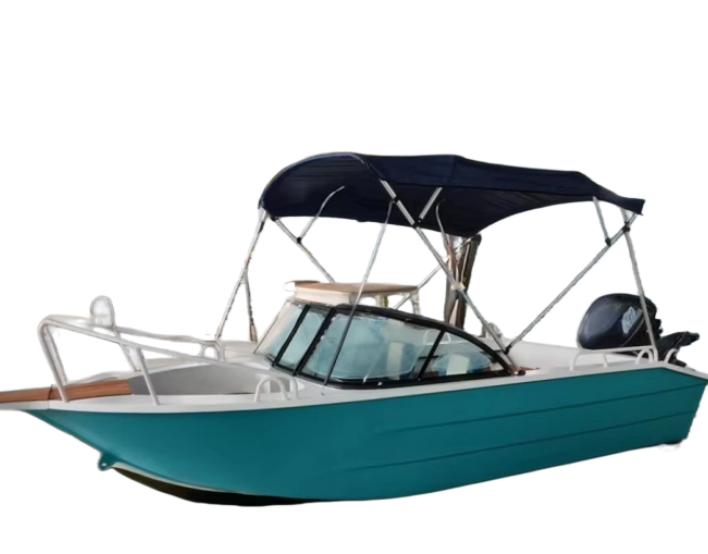
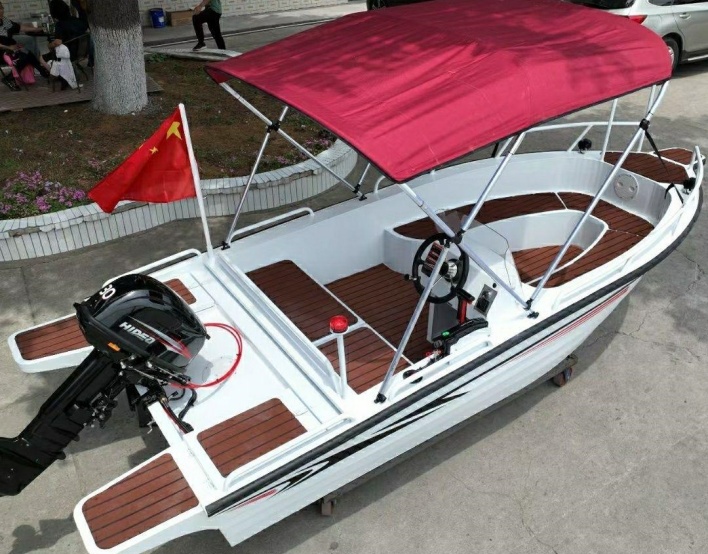
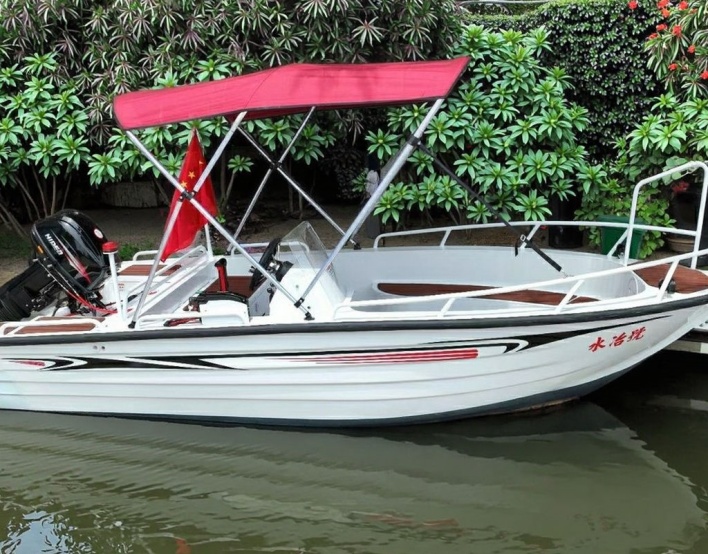
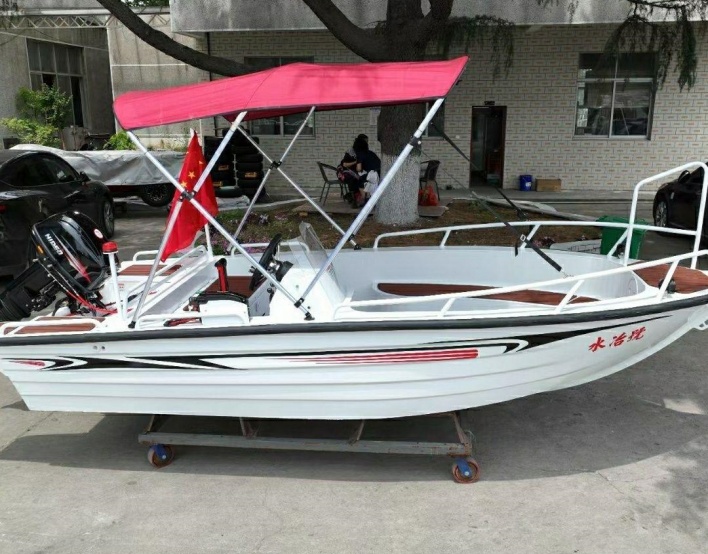
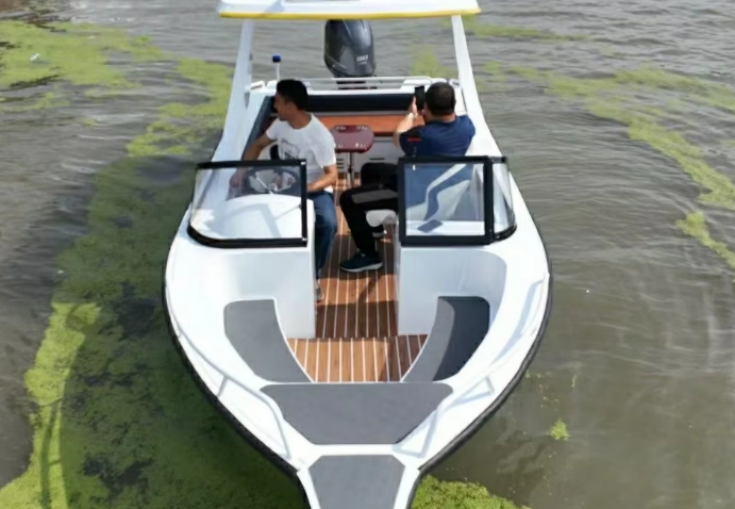
Our all-aluminum fishing speedboats feature reinforced corrosion-resistant hulls, multiple sizes and optional outboard motors, ideal for commercial fishing, sightseeing and engineering work.
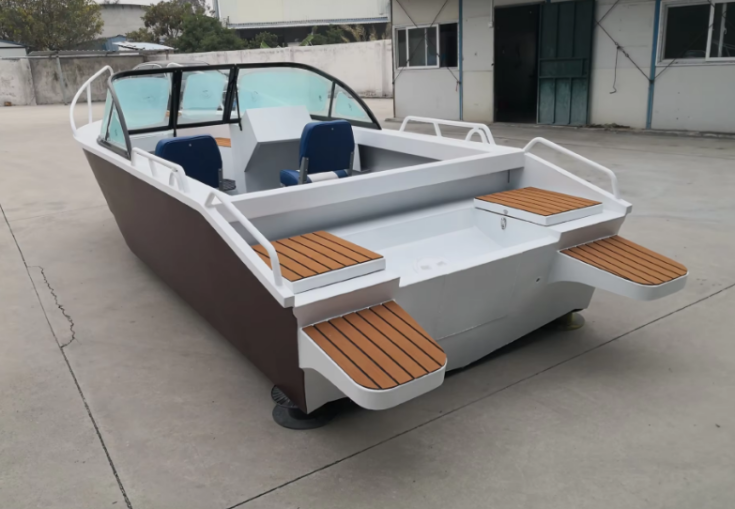
① Modular Design: Separated modular assembly for hull, power unit and accessories, enabling convenient on-site maintenance, component replacement and engineering upgrades
② Ergonomic Optimization: Rational layout of manual controls, anti-slip decks and passenger compartments to reduce operator fatigue during long shifts
③ Reliability Design Concept: Reinforced welding & riveting on all key stress points, multi-layer anti-corrosion coating, structural safety margin for long-cycle continuous operation
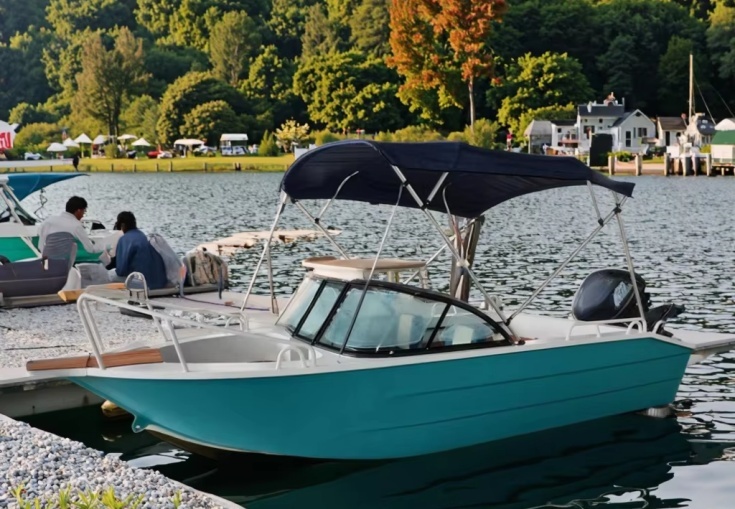
①Intelligent Management System: Unified specification standards for fleet matching, supporting centralized data statistics and engineering administration
② Energy Management Solution: Low-consumption power matching scheme to cut long-term commercial fuel expenditure
③ Remote Operation & Maintenance: Universal standardized spare parts, standardized fault diagnosis logic to support remote technical support
|
Hull Material |
Aluminum alloy |
|
Type |
Fishing boat |
|
Engine Type |
Outboard motor |
|
Motor |
20-90 hp |
|
Fuel |
Gasmoke |
|
Control Method |
Manual control |
|
Power Supply |
Gas powered |
|
Target Audience |
Suitable for all genders, men, and children |
|
Application |
Sports, leisure, fishing, boating, rivers, water operations |
|
Pipe Material |
Marine-grade aluminum alloy |
|
Weight |
100kg-500kg |
|
Workmanship |
Handmade, welding, vacuum infusion, riveting, vacuum compression |
|
Manufacturing Process |
Vacuum compression, vacuum filling |
|
Dimensions |
Length 2.5-10 meters |
|
Markings |
Free customization |
|
Configuration 1 |
Windshield + deck + 2 leather mounts + battery box |
|
Configuration 2 |
Fuel tank + activated water tank + paint + 2 fishing rod mounts |
|
Configuration 3 |
Anchor Rope + Outboard Engine |
|
Material |
Aluminum Alloy |
|
Passenger Capacity |
6-8 Persons |
|
Speed |
40-80 km/h |
|
Horsepower |
20-90 HP (Horsepower) |
|
Load |
530 kg |
|
Optional Equipment |
Windshield + Deck + 2 Leather Seats + Battery Box + Fuel Tank |
|
Engine Location |
Stern Drive |
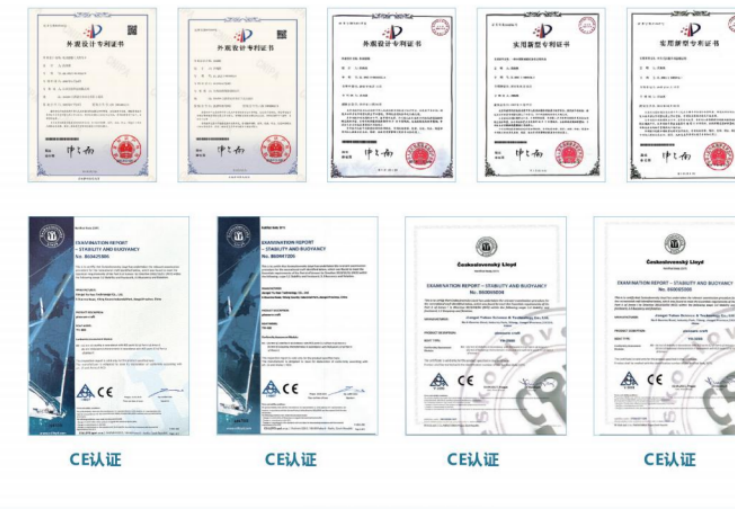
① Third-Party Inspection: Independent laboratory test reports covering mechanical strength, salt spray corrosion and load-bearing capacity
② Certification Documents: Full material certificates, vessel safety test files and supporting papers for export customs clearance
③ Internal Test Standards: Factory standards for continuous navigation fatigue testing, impact simulation and watertight tightness inspection
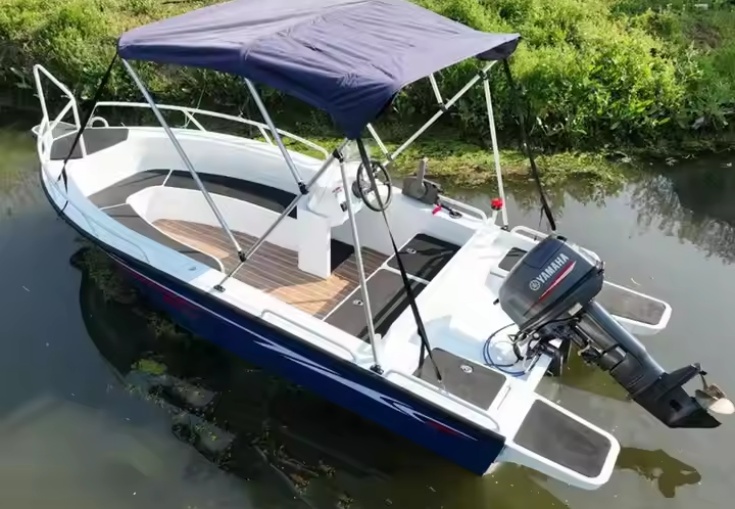
① R&D Team: Professional technical teams specializing in marine structure, power matching and material engineering
② Testing Equipment: Salt spray test chambers, load test benches and hydrodynamic simulation equipment
③ Technical Achievements: Mature modular hull craftsmanship, low-resistance hydrodynamic molding technology and long-life anti-corrosion treatment processes
Verified technical outcomes from real project deployments
① Technical Solution: Custom structural reinforcement scheme for large-scale scenic rental fleets
② Test Verification: Full 300-hour full-load continuous navigation testing before project delivery
③ Project Outcome: Low equipment failure rates, reduced maintenance costs and stable year-round water operation
Q1 What aluminum alloy grade is used for the hull and pipe, and what are its key mechanical properties?
A1 Marine-grade 5083 aluminum alloy (or equivalent) – tensile strength ≥ 270 MPa, yield strength ≥ 125 MPa, with excellent corrosion resistance and weldability. The alloy contains 4.0–4.9% Mg and 0.05–0.25% Cr, ensuring structural integrity in freshwater and sheltered saltwater environments.
Q2 What welding and manufacturing processes are applied to ensure hull strength?
A2 Full TIG (GTAW) welding with 5356 filler wire, combined with vacuum infusion and riveting at critical joints. All welds undergo 100% visual and dye-penetrant inspection. The hull is built on a jig fixture to maintain dimensional tolerance within ±2 mm over the entire length.
Q3 How does the 20–90 HP outboard perform in terms of speed and fuel efficiency across different hull lengths?
A3 At 20 HP, cruising speed ~40 km/h, fuel consumption ~8 L/h; at 90 HP, top speed ~80 km/h, fuel consumption ~18 L/h (data for 5‑meter hull). The lightweight aluminum hull (100–500 kg) reduces planing threshold, delivering 20–30% better fuel economy than equivalent steel boats.
Q4 What structural testing and stability certifications are available?
A4 Each hull passes a 24‑hour watertight test and static buoyancy verification. CE certification for recreational craft (Category D – sheltered waters) is provided. Upon request, we supply stability calculations, GM values, and inclining test reports for your engineering review.
Q5 How is corrosion resistance achieved, and what is the expected service life in fresh vs. saltwater?
A5 The 5083 alloy naturally forms a protective oxide layer. Sacrificial anodes (zinc) are factory‑installed. In freshwater, service life exceeds 20 years; in saltwater with proper rinsing and anode maintenance, 15+ years is typical.
Q6 What are the vibration and noise levels at cruising speed?
A6 At 60 km/h, cabin noise ≤ 75 dB(A) and handle vibration ≤ 1.2 m/s² (ISO 2631). The stern engine position and aluminum damping effectively minimise onboard disturbance.